PlayExplainer
Padel equipment rules: the racket, wrist cord and ball checks that matter
FIP specifies more than racket dimensions. Its rules also require a safety cord and define the ball used in official competition, including an altitude provision.

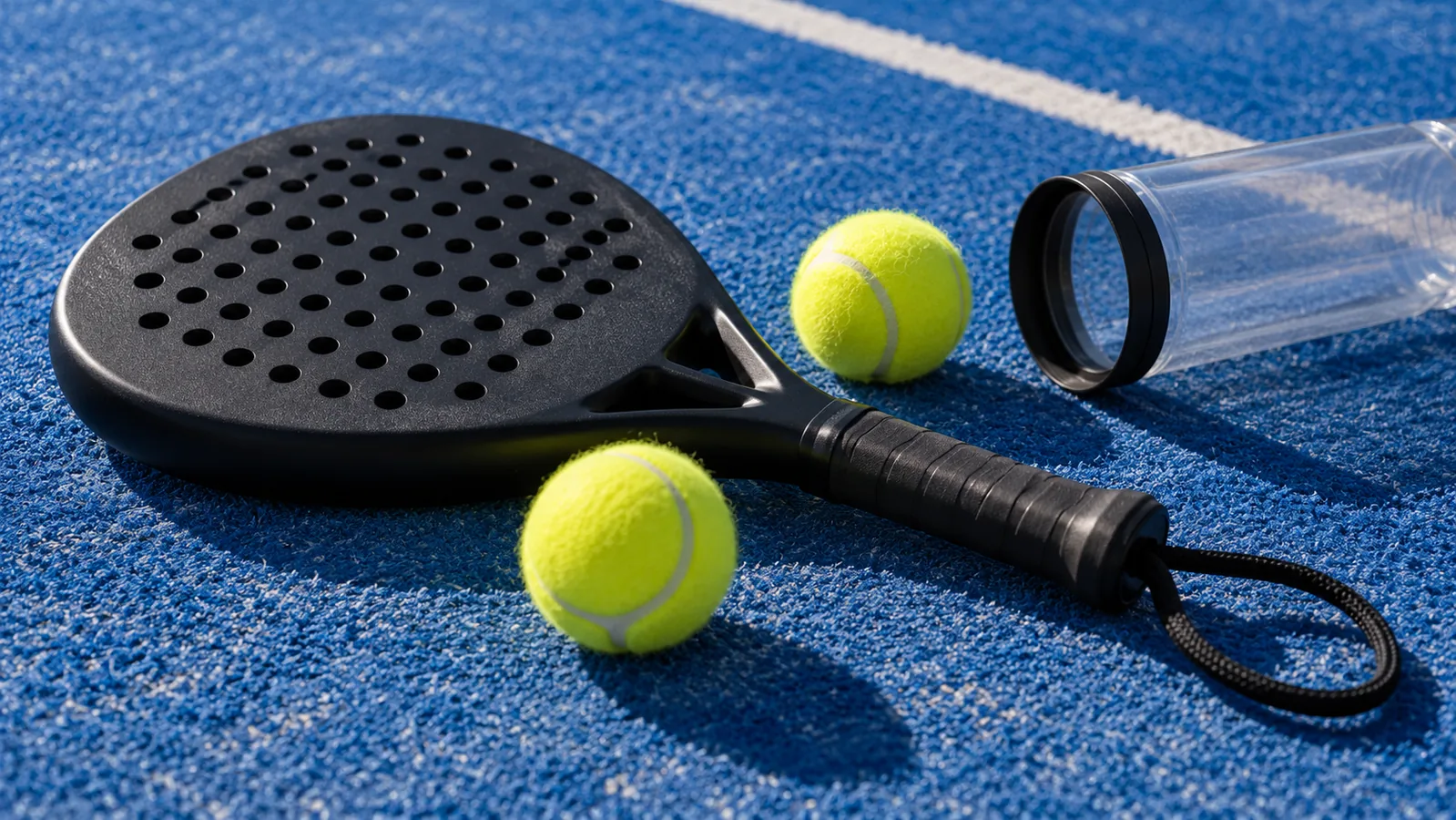
A padel racket's shape or price does not establish whether it meets the sport's equipment rules. For U.S. players entering organized competition, the practical reference is the International Padel Federation's rulebook and its published ball specifications.
This guide explains those requirements. It is not a product test or a ranking of brands.
Start with dimensions and the safety cord
The FIP Rules of Padel set a maximum total racket length of 45.5 centimeters, a maximum head width of 26 centimeters and a maximum head thickness of 38 millimeters. The rules allow a 2.5% tolerance when checking thickness. Both hitting surfaces must be flat, although their texture may be smooth or rough.
The same rules require a non-elastic safety cord attached to the handle, no longer than 35 centimeters. Wearing it around the wrist is mandatory. The cord is therefore part of the required playing equipment, not simply an optional accessory.
Before a session, check that it is attached and usable. A compliant specification on a product listing does not establish the condition of the racket in your bag.
The ball has its own specification
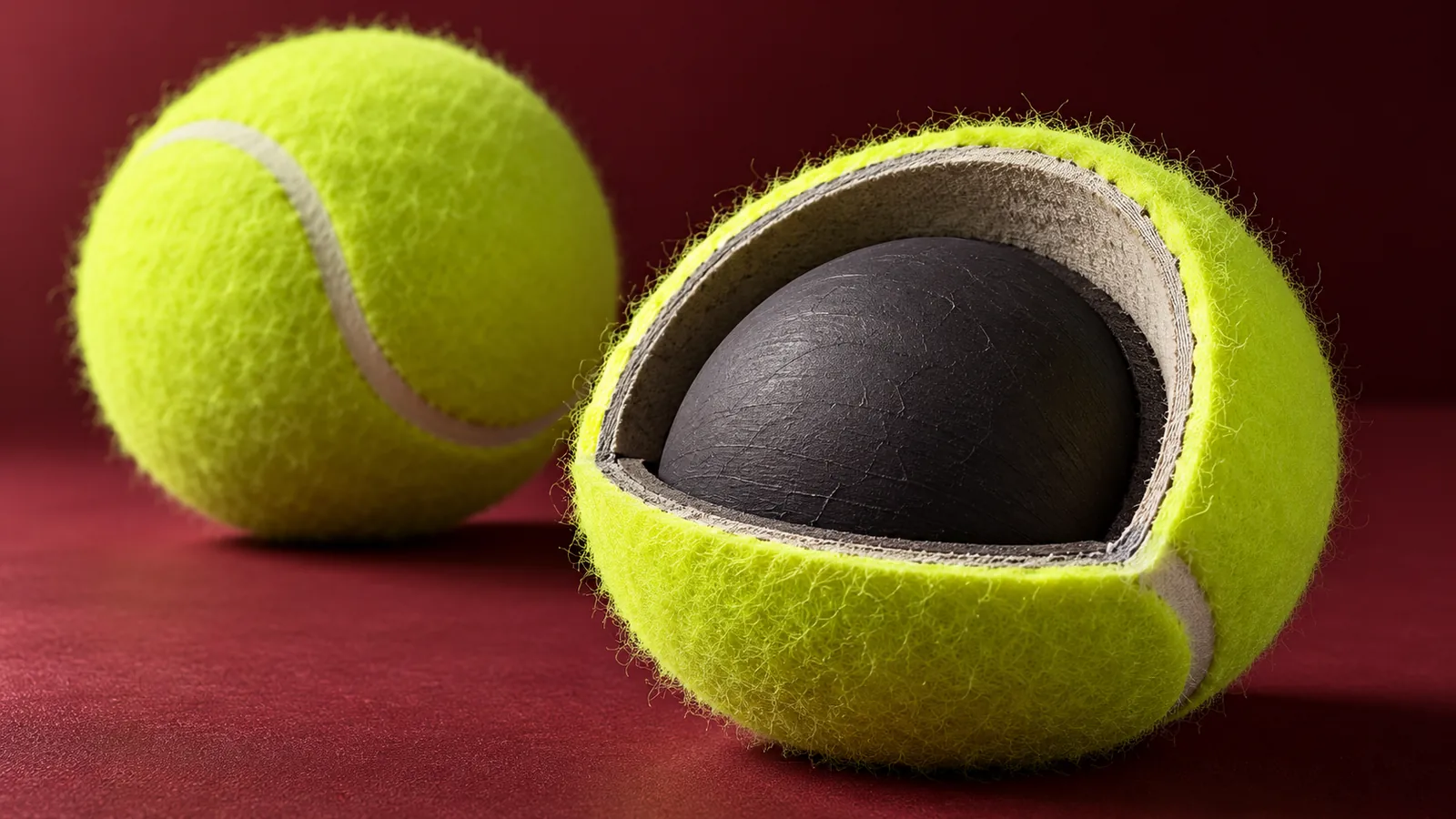
FIP's separate ball document specifies a diameter of 6.35–6.77 centimeters and a weight of 56.0–59.4 grams. It gives a bounce range of 135–145 centimeters when the ball is dropped onto a hard surface from 2.54 meters.
There is an important discrepancy in FIP's published material. The rulebook marked for application from January 1, 2026 allows a lower-bounce ball above 1,000 meters, while the separate ball sheet says 800 meters. Both give a reduced bounce range above 121.92 centimeters and below 135 centimeters. For a higher-altitude U.S. event, ask the organizer which requirement and designated ball apply rather than treating the standalone threshold as settled current guidance.
Check the exact approved model
FIP's certification process states that ball certification must be renewed every two years. It also says its online approved-ball information takes precedence over a printed version if they disagree.
For competition, confirm the designated ball with the organizer and check the exact model rather than relying on a brand name alone. A certification mark is about approval under the process; it does not establish that one ball is better for every player or playing condition.
For a first purchase, the sequence is straightforward: establish compliance, inspect the safety cord, and clarify the ball required for the session or event. Those checks come before claims about power, control or professional endorsements.