PlayExplainer
Winter padel: what changes indoors, outdoors and off the glass
Cold balls, damp walls and different types of shelter change the session. What players and U.S. clubs need to establish before a winter booking.

By X3Insights News, News desk
3 min read
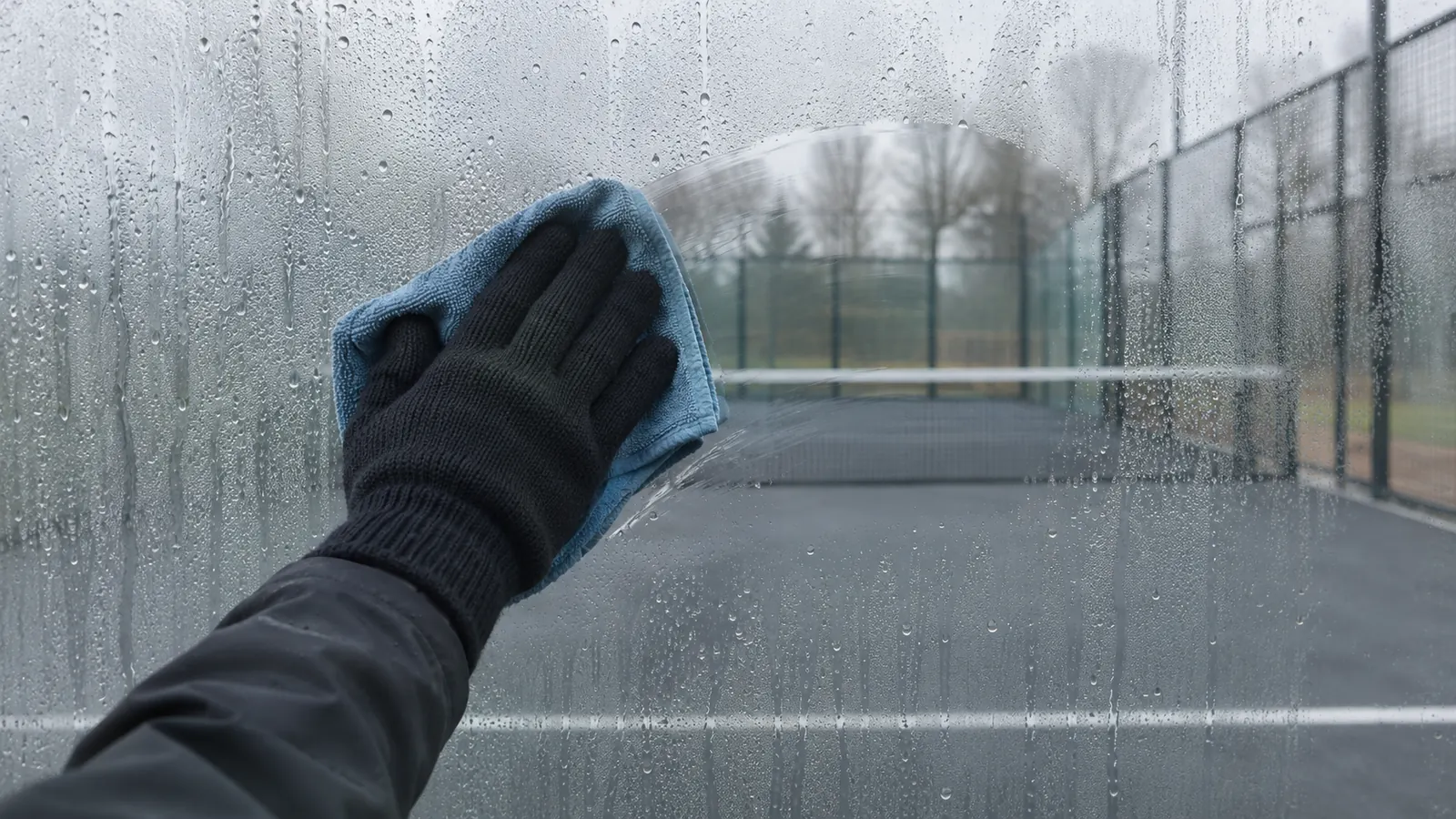
Winter changes a padel session before the first point: the court may be sheltered but unheated, the glass may be damp, and the ball may come off the racket less freely than it did in summer. Booking an indoor court solves some of those problems; it does not tell a player everything about the conditions inside.
For U.S. clubs selling winter leagues and lessons, the useful information is specific: whether the court is fully enclosed, whether it is heated, what happens to a weather-affected reservation and who decides when outdoor play stops.
Ask what “indoor” includes
A roof, an enclosed building and a temperature-controlled court are different offers. Before reserving, ask whether the booked court is inside a fully enclosed space and whether the playing area is heated. A covered outdoor court can still be exposed to cold air and wind at the sides.
Some operators explicitly describe their climate systems. The Padel Collective in North Austin advertises five indoor, air-conditioned courts and says it opened in October. Our report on the club's opening explains its court access and programs. Air conditioning in a club description, however, is not a published winter heating specification: ask about the conditions for the session being booked.
For a winter league, also check whether a canceled outdoor round can move indoors, whether that changes the price and whether the whole group can transfer together. Those are booking terms to establish with the operator.
Read the rebound before choosing the shot
In All For Padel's explanation of temperature and play, adidas coach Alberto Pulido describes lower ball pressure in cold conditions and a slower game with longer rallies. He also explains that moisture on cold glass can reduce the rebound from the back wall.
That changes the value of waiting for the ball to come to you. Use the opening exchanges to judge its actual rebound, and give yourself room to adjust your position. A summer smash that carried through the court may leave a playable return in colder conditions.
Cold and moisture are separate checks. A sluggish ball does not establish that the glass is wet, and a dry-looking playing surface does not establish how the ball will come off the wall.
Pulido emphasizes warming up before a cold-weather match. Build that preparation into the arrival time rather than assuming the first competitive games will do the job.
Keep ball choice separate from ball condition
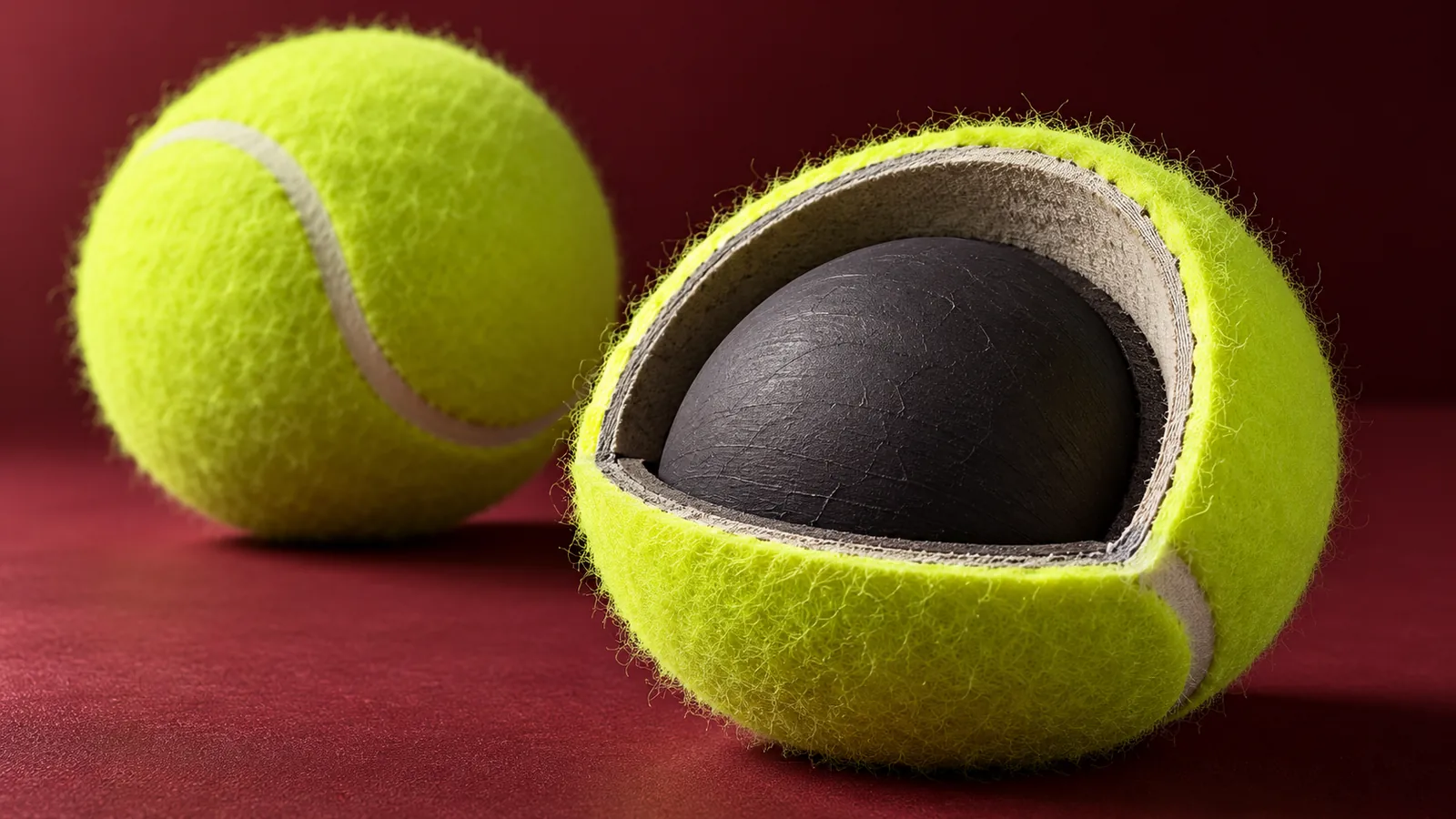
The model matters as well as the weather. HEAD's current ball range distinguishes a faster Pro S+ from a Pro+ positioned around control. Those are the manufacturer's descriptions, not evidence that one model will perform best at every winter session.