BusinessAnalysis
Bay Area tops X3Insights Research's Padel Readiness Index; Miami ranks 11th
The index scores the 100 largest U.S. metro areas on six public measures of padel demand. Florida has the courts; California and New York hold more of the ready demand.

By X3Insights News, News desk
3 min read
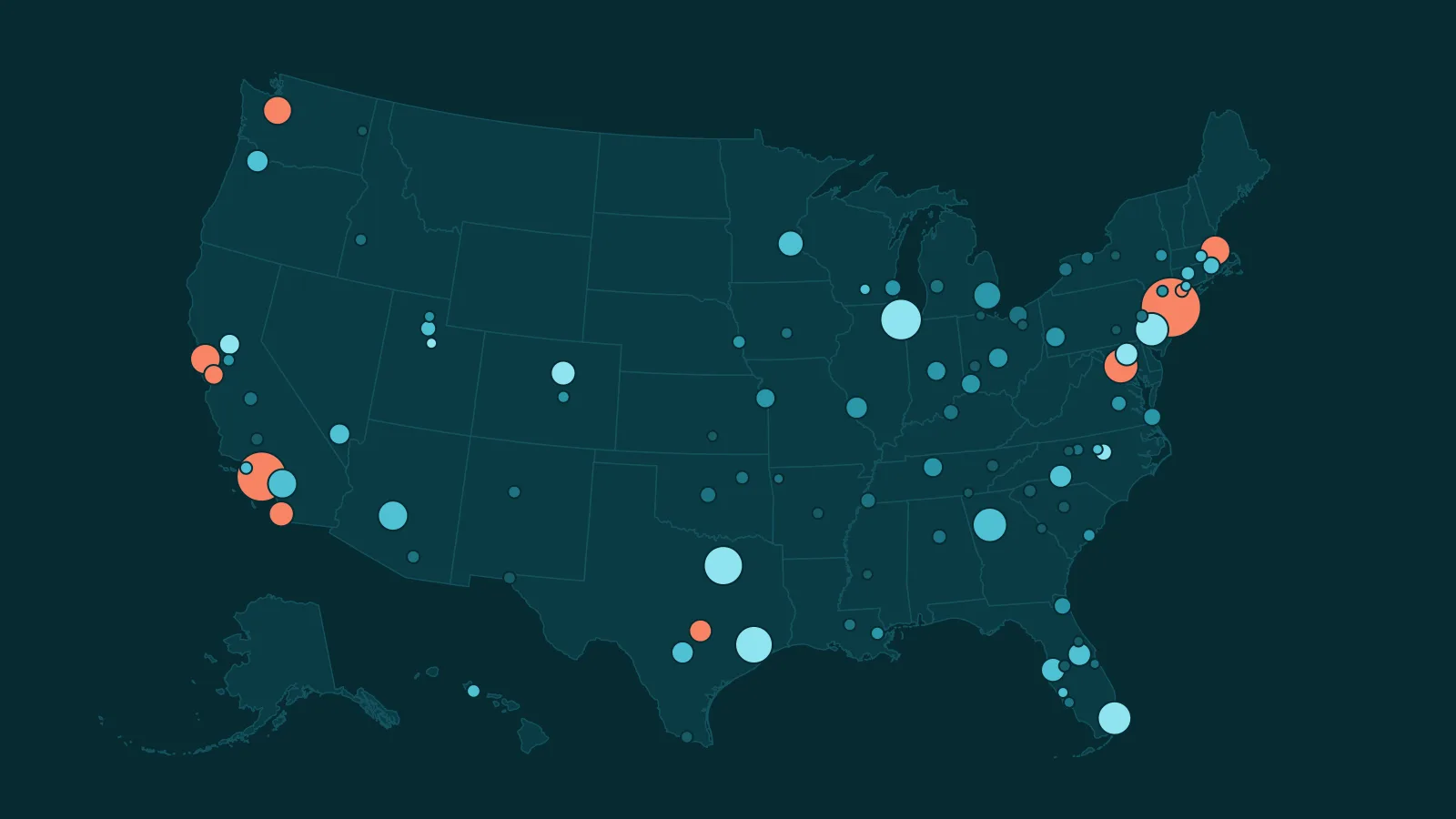
X3Insights Research has published the Padel Readiness Index 2026, its second report. It scores the 100 largest U.S. metro areas on six public measures of demand for padel: market size, spending power, exposure to the game, urban density, education and outdoor season. X3Insights Research and X3Insights News are both part of X3Insights.
The index does not count existing clubs or courts. A high score means the conditions for padel are strong, not that a market is unserved.
The Bay Area leads
San Francisco–Oakland scores 100 and San Jose 96. The other places in the top 10 go to Washington, New York, Boston, Los Angeles, Seattle, Bridgeport–Stamford, San Diego and Austin.
The two Bay Area metros finish in the top 10 under all 10,000 alternative weightings the report tested. After adjusting for local prices, 50% of households in the San Jose area earn more than $150,000 and 40% in the San Francisco area, against 23% in the median metro. The region already has operators building for that demand: Bay Padel lists 18 courts across four California clubs.
The top 10 is also expensive. In nine of the 10 metros, housing costs at least 48% more than the U.S. average, according to the Bureau of Economic Analysis. Austin is the exception, at 20% above.
Miami ranks 11th
Miami, where U.S. padel took hold, ranks 11th. The report says the reason explains how the sport spread.
Miami scores almost twice as high as any other metro on padel exposure, the report's measure of residents who arrived recently from countries where padel is mainstream, led by Argentina, Spain and Chile. But after adjusting for its high prices, only 18% of Miami-area households earn more than $150,000, which ranks 94th of 100. Without the exposure measure, Miami would fall to 25th.
The report sees two kinds of market. In the first, communities that already play fill courts from day one; Miami already supports clubs such as Padel X Miami, which has 10 courts. In the second, demand has to be built among affluent professionals who have not played before. Washington, Seattle, Denver and Austin rank in the top 10 on spending power but outside it on exposure.
Courts and readiness do not match
Florida held 41% of U.S. padel courts in early 2025, according to an estimate by the International Padel Federation, with Texas at 18%, California at 10% and New York at 4.7%. The report compares those shares with each state's share of the 50.4 million residents aged 25 to 54 who live in the 25 highest-scoring metros.