PlayExplainer
HEAD Pro+ and Pro S+: what the two padel-ball models promise
Construction claims, documented tournament use and a practical way to compare the models without changing every part of your setup.

By X3Insights News, News desk
2 min read
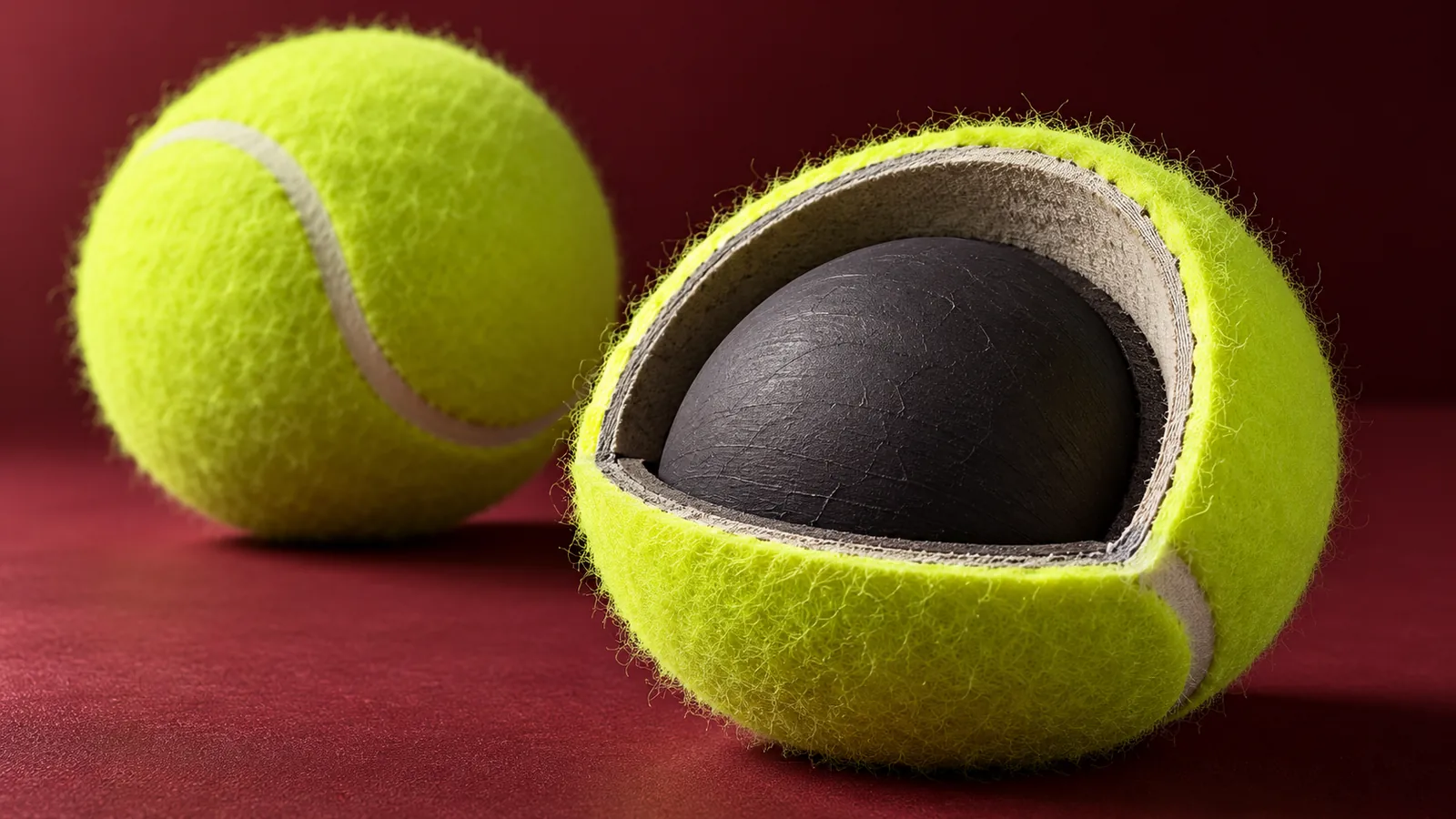
HEAD's Padel Pro+ and Pro S+ occupy different places in the company's ball range despite their similar names. The manufacturer positions the Pro+ around control and the Pro S+ around a faster game, making the label on the can a meaningful part of a session's setup.
The distinction is worth understanding before attributing a change in feel entirely to a racket or court. It is also a product explanation, rather than a comparative play test: the performance descriptions below are HEAD's published claims.
What HEAD says it changed
HEAD's current ball-range page describes the Pro S+ as using a natural-rubber core that is 15% thicker, with compact felt. It presents the Pro+ as using a thinner synthetic-rubber core, emphasizing precision and control.
The 15% figure belongs to HEAD's construction claim. It does not mean a player should expect a 15% increase in bounce, speed or useful playing life. Those are different measurements, and the page does not establish such a conversion.
The same range includes Team, aimed at beginners and occasional players, and One, positioned between an introductory ball and a faster performance option. These labels describe the manufacturer's intended uses; they do not rank players or establish a universal best choice.
The two models have appeared in tour announcements
In its February 25 Gijón announcement, HEAD described the Pro+ as having a thinner wall and the Pro S+ as firmer, with a higher bounce. The company said both used a core designed to retain pressure longer and felt developed for padel.
For Valencia's June event, HEAD specified Pro+ for the men's competition and Pro S+ for the women's competition. That is a documented tournament allocation, rather than a general rule requiring recreational men and women to use different balls.
Tournament use provides context for where the products appear. It does not establish how long an opened can will perform for a particular club group or prove that a faster option will suit every session.
Compare the ball without changing the whole setup
A useful club comparison starts with the same court, racket and players. Open fresh cans for each model and try a sequence of serves, returns, volleys and balls played after the back glass. Note how much adjustment each player needs, including on shots that stay in the rally rather than finish it.
Keep a simple record of when each can was opened and how many sessions it has played. Comparing a fresh ball with an older one mixes model differences with wear. This is a practical way to organize a trial, not a laboratory measure of pressure retention.