BusinessAnalysis
What the 2026 Global Padel Report can tell U.S. club operators
Playtomic and PwC frame padel as a property and operating business. Their global growth figures provide context, while a U.S. location still needs its own demand and cost evidence.

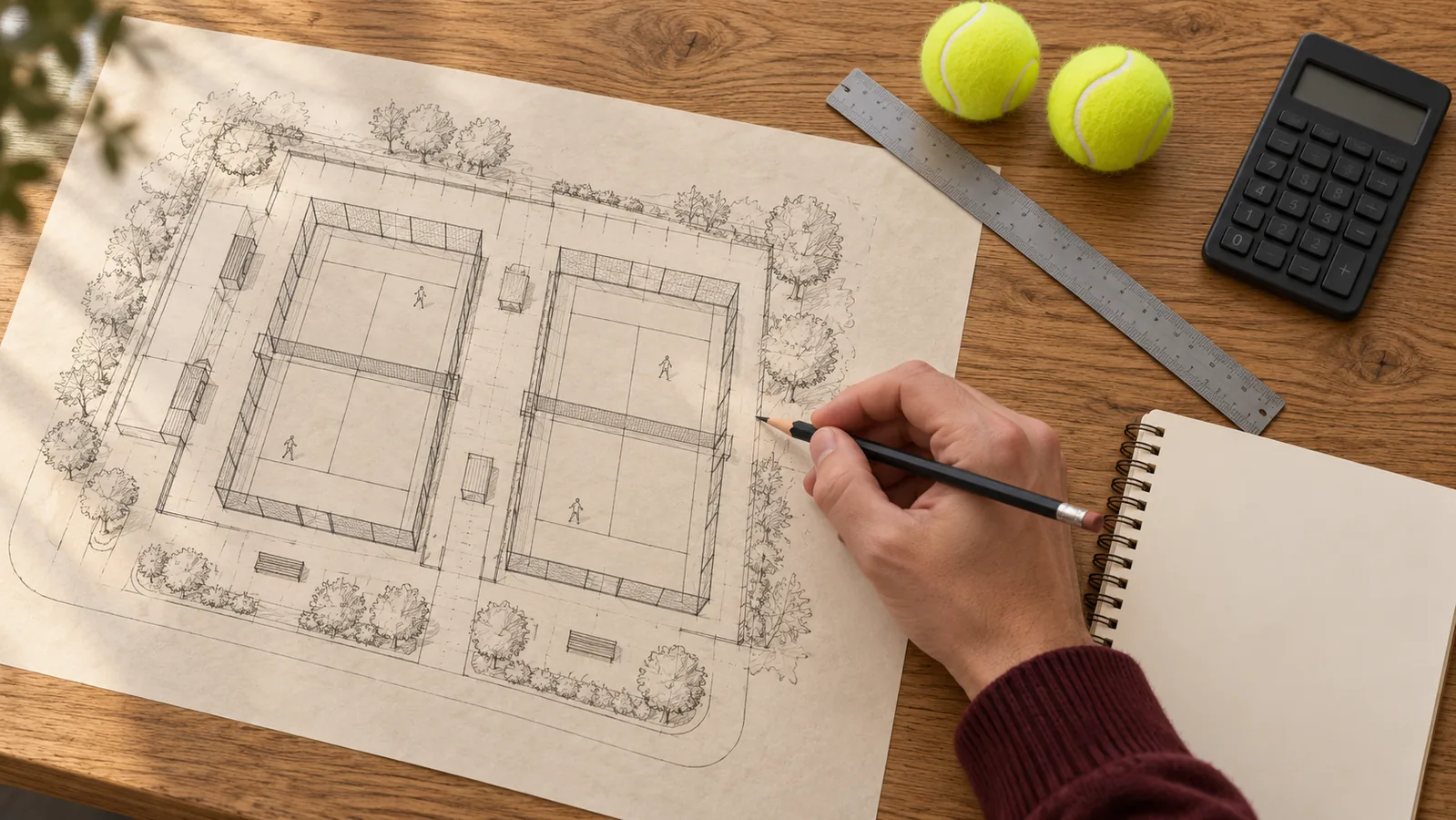
Padel's global expansion is increasingly being discussed as a property business as well as a sports story. The 2026 Global Padel Report from Playtomic and Strategy&, part of the PwC network, examines the scale of the market, club operations and real estate. For U.S. operators, its value is as context for questions about a specific location.
What the report's publishers say
In its May 28 release, PwC describes more than 58,300 courts worldwide and approximately 19.4 million players. It discusses industrial buildings, former sports properties, resorts and residential developments as settings for padel, and identifies multiple potential revenue streams: court bookings, instruction, events, food and beverage, and sponsorship.
The Padel World Summit organizer's report confirms that Playtomic and PwC presented the study at the 2026 event. It cites 4,969 new clubs and 7,898 courts built in 2025. Those are worldwide additions during a specified year, not counts of new U.S. facilities.
Three questions for a U.S. project
The following is our interpretation of how operators can use that framing.
First, separate the property from the operation. A suitable-looking building is only a starting point. A project budget needs to establish the costs of making the site usable and running it, rather than treating court installation as the whole investment.
Second, model revenue streams separately. Court rental, lessons and events should each have explicit assumptions. Adding a café or a sponsor to a plan does not demonstrate that customers or advertisers will spend the projected amount.
Third, measure local repeat demand. A national participation figure does not identify the players who will travel to one address, pay its prices and return often enough to sustain it. A project should be able to explain where each of those assumptions comes from.
Keep the datasets separate
FIP presented its own World Padel Report 2026 on October 12. It says that edition draws on contributions from 70 national federations and international competition data. That is a separate publication from the Playtomic/Strategy& report. Figures from the two should be compared only after checking their definitions, dates and coverage. Published October 14, FIP's separate economic study estimates padel's global GDP contribution at €8.6 billion, distinguishing it from annual expenditure and economic output.
Similarly, a blocked booking slot is not proof of paid play: schedules can reflect coaching, maintenance or other restrictions. Club economics require evidence about actual operations. Global growth makes the subject worth studying; it does not establish the performance of an individual American venue.